
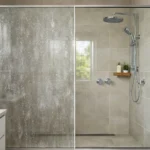
Showering is meant to be your time of relaxation and renewal but it is difficult to feel fresh with stained glass and moulds all around. You are not the only one who has noticed those hard to remove water spots, soap scum or ugly mould that is creeping up your shower doors and walls. These problems plague the Australian bathrooms in Brisbane to Perth with our humid climate and fondness of long and hot showers.
The good news? You do not have to hire professional cleaners or pay the high costs associated with having your shower refurbished by commercial cleaners offering House Cleaning Services in Coburg. Even the most stubborn bathroom dirt can be overcome with a handful of domestic products and some hard work. This step-by-step guide will take you through all that you need to know about how to clean shower doors successfully, remove stubborn mould, and ensure that your bathroom stays in perfect condition.
Understanding Why Shower Doors Get So Dirty
We should get to know what we are dealing with before we get into the cleaning process. And those dirty spots on your glass are not dirt, they are hard water spots, soap scum, body oils, and even mould or mildew. The presence of high mineral content in the tap water of Australia causes the formation of those chalky white spots in case of the water evaporation. Combine this humid climate in your bathroom and you have the ideal moulding environment.
The trick to getting these issues successfully is in applying the appropriate method to the type of grime. It is not possible to spray and wipe but a plan is necessary.
What You’ll Need for the Job
Before you start, gather these supplies from around your home:
- White vinegar
- Bicarbonate of soda (baking soda)
- Dishwashing liquid
- Spray bottle
- Microfibre cloths
- Old toothbrush or grout brush
- Squeegee
- Rubber gloves
- Bucket of warm water
- Lemon juice (optional)
- Eucalyptus oil or tea tree oil (optional, for mould)
Most Aussie homes already have these items in the pantry or laundry, making this a budget-friendly solution.
Step 1: Prepare the Shower Area
- Clear Items: Take the bottles, loofahs, razors, and accessories out of the shower so that the shower surface can be viewed without any obstruction.
- Air out the Bathroom:Open a window or use the exhaust fan to get airflow when using vinegar-based solutions.
- Wear Protective Gloves: Wear rubber gloves to cover your hands against time.
- Control Strong Smells: In case you are sensitive to scents, open up the place or get some breaks during cleaning.
Step 2: Create the Cleaning Solution
- Mix Vinegar and Water: Fill 1/2 spray bottle with white vinegar and warm water and use it on a daily basis to clean and remove water spots.
- Make Heavy Buildup Strong Vinegar: Soap scum and mineral deposits that are hard will need the undiluted white vinegar.
- Select a Cleaner that is safe: Vinegar can be trusted to its inherent acidity to dissolve dirt without harming the majority of shower surfaces.
Step 3: Spray and Allow to Soak
- Liberally Apply Cleaning Solution: Spray the vinegar solution all over the entire surface of the shower door, including the hinges and tracks.
- Pay attention to Buildup Areas: Pay special attention to any visible soap scum or mineral deposits.
- Proper Soaking Time: The solution should be left to rest 15-20 minutes so that it can loosen the grime.
- Extend Soak on Tough Stains: The solution may be left on up to 30 min. in case of heavy buildup.
Step 4: Treat Mould on Shower Walls
- Prepare a Bicarbonate Paste: Mix three parts bicarbonate of soda with one part water to form a thick paste.
- Boost Antifungal Power: Add a few drops of tea tree or eucalyptus oil to enhance mould-fighting properties.
- Apply to Affected Areas: Spread the paste onto mouldy grout lines, silicone seals, and corners using a toothbrush or grout brush.
- Let the Paste Sit: Allow the mixture to rest for 15–20 minutes to loosen and kill mould spores.
Step 5: Scrub the Shower Doors
- Clean with Soft Scrubber: Clean the glass with a circle motion with a microfiber cloth or non-abrasive sponge.
- Fix Tenacious Spots: Rub a paste made of baking-soda on rough spots and rub them off.
- Clean Frames and Hardware: Wipe the door frames, handles, and hinges which are likely harbors to soap scum.
- Accessible Spaces: Clean the crevices and corners with an old toothbrush.
Step 6: Remove Mould from Walls
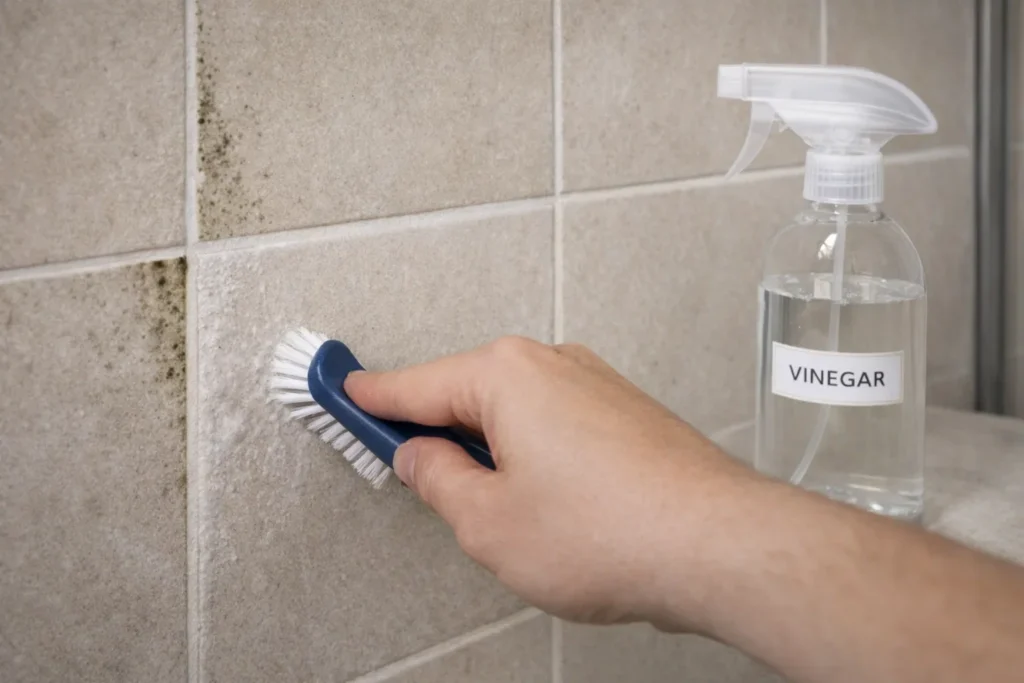
- Scrub Treated Areas: Rub the paste into gout lines and areas likely to be molded in circular movements.
- Treat Hard Mold: Choose undiluted white vinegar and spray it on the affected area after scrubbing to eliminate any remaining spores of molds.
- Allow Final Rest Time: Leave the vinegar to rest 10 minutes after which you may rinse it.
- Evaluate Silicone Seals: When the silicone has become so deeply penetrated to be removed, change the silicone.
Step 7: Rinse the Shower Thoroughly
- Rinse with Warm Water: Use the showerhead to wash away all cleaning solutions and loosened grime.
- Clean Grout Lines Carefully: Direct water into grout lines to remove hidden bicarbonate residue.
- Rinse Glass Top to Bottom: Ensure no streaks, residue, or cleaner remains on the shower doors.
Step 8: Remove Remaining Water Spots
- Use Fresh Lemon: Rub half a lemon directly on stubborn water spots to dissolve mineral deposits.
- Create a Lemon Paste: Mix lemon juice with bicarbonate for extra cleaning power.
- Apply and Scrub Gently: Let the paste sit for 5 minutes, then scrub and rinse thoroughly.
Step 9: Dry and Polish the Glass
- Remove Excess Water: Use a squeegee from top to bottom to prevent water spots from forming.
- Polish with Microfibre Cloth: Buff the glass in circular motions for a streak-free shine.
- Enhance Final Appearance: Continue polishing until the glass appears clear and spotless.
Step 10: Clean Door Tracks and Seals
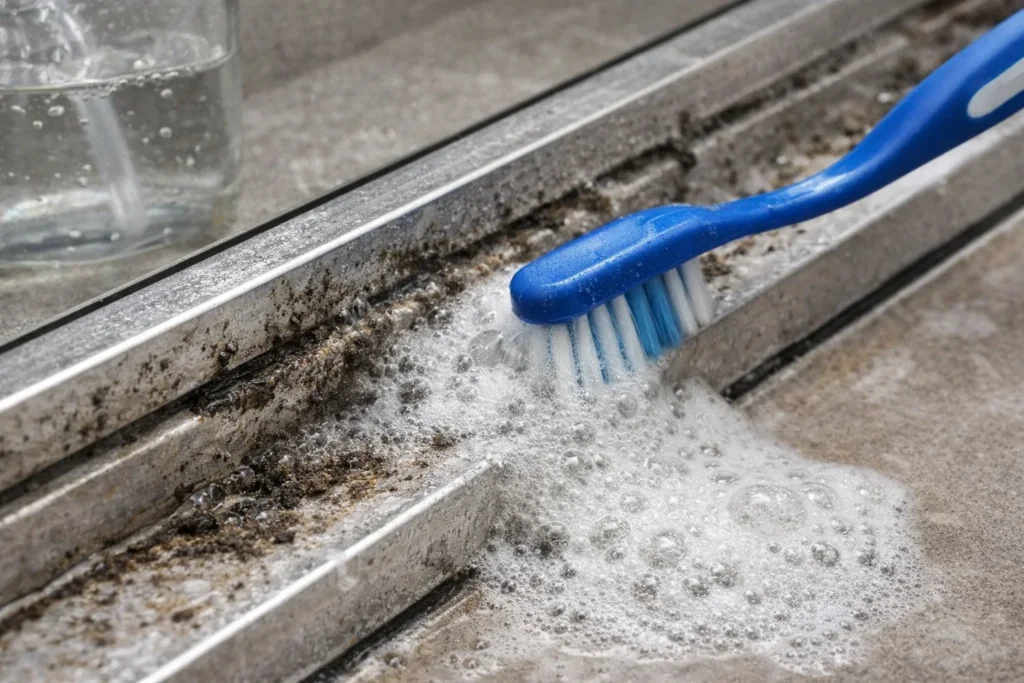
- Scrub Door Tracks: Use a toothbrush dipped in vinegar solution to remove grime and debris.
- Loosen Heavy Buildup: Sprinkle bicarbonate into tracks and spray vinegar to activate fizzing action.
- Wipe and Dry Completely: Clean residue with a damp cloth, then dry to prevent mould growth.
- Clean Rubber Seals: Wipe seals with vinegar solution and treat any mould using the bicarbonate paste method.
Preventing Future Buildup
So that you have learned about cleaning shower doors, it is time to tell you some tips on how to keep them so:
Get a squeegee in your shower and clean it after each time you take a shower. This thirty-second habit helps to minimize the water spots and soap scum in a very substantial way.
Make certain that your bathroom is well aired. Turn on your exhaust fan when taking a shower and at least 20 minutes after taking a shower. When possible, open the windows to keep the humidity at its bare minimum.
Use a microfibre cloth to wipe your shower walls at least once a week to stop the setting of mould in the grout lines.
Take into consideration using a glass treatment product, which is intended to be used on the shower doors. These form a coating that is protective and causes water to bead and roll off and this minimizes the mineral deposits.
Run a quick vinegar spray and wipe off every two weeks so that it does not accumulate to be a big task.
When to Call in Professional Help
A majority of the cleaning of the shower may be carried out as a DIY project. But you are in need of assistance at times. With a lot of mould growth; or broken grout that is disintegrating; or you just do not have the time or the strength to go about it, that is natural.
Extensive moulds may be hazardous to the health of individuals with respiratory diseases or allergies. When you have black mould in large areas or when the mould keeps coming back even after cleaning, then the problem could be underlying deeper moisture that needs to be evaluated by the professional.
Get Professional Results Without the Hassle
When you have exhausted all these strategies and still feel dissatisfied with your shower, or you simply want to have it done by some professionals, Beaurex Cleaning is at the call. Our high quality team is fully aware of how the shower doors and the walls covered by stubborn mould can be cleaned by using the latest equipment and methods of professional quality, which will guarantee the quality of the work.
Life is hectic, you just need a little helping hand to maintain your house just in the best way possible. You may require a special cleaning of a room once a month or routine cleaning, then we will generate a cleaning plan that suits you. We cater to households in the locality, providing glittering bathrooms to families that should be allowed to unwind in a spacious and mould-free environment.
Don’t have dirty shower doors and mouldy walls to worry you. Call Beaurox Cleaning right now and leave the rest to us, and you can just relax and watch the outcome.
FAQs
1. Why do shower doors develop water spots and soap scum so quickly?
Shower doors collect water spots because Australian tap water contains high mineral content that dries on glass. Soap scum forms when soap mixes with body oils and minerals during hot showers. Humid bathroom conditions speed up this buildup and make stains harder to remove.
2. What is the most effective DIY solution for cleaning shower doors?
White vinegar is one of the most effective DIY cleaners for shower doors due to its natural acidity. It breaks down soap scum and mineral deposits without damaging glass surfaces. Regular use keeps the doors clear and prevents heavy buildup.
3. How can mould be safely removed from shower walls and grout?
Mould can be removed using a paste made from bicarbonate of soda and water. Adding tea tree or eucalyptus oil boosts its antifungal effectiveness. Scrubbing and proper ventilation help prevent mould from returning.
4. How often should shower doors be cleaned to stay spotless?
Light cleaning should be done weekly to stop stains from settling. A quick vinegar spray every two weeks prevents heavy mineral buildup. Daily squeegeeing after showers greatly reduces long-term cleaning effort.
5. Can natural ingredients really replace commercial bathroom cleaners?
Yes, common household ingredients like vinegar, lemon, and baking soda are highly effective. They remove grime while being affordable and environmentally friendly. When used correctly, they deliver results similar to commercial cleaners.
6. What are the best ways to prevent future mould growth in showers?
Keeping the bathroom well ventilated reduces moisture that causes mould. Using exhaust fans and opening windows after showers helps dry surfaces faster. Regular wiping of walls and grout prevents mould spores from settling.
7. When should professional shower cleaning services be considered?
Professional help is recommended when mould is widespread or keeps returning. Deeply stained grout or damaged silicone seals often need expert treatment. Hiring professionals saves time and ensures safe, long-lasting results.