
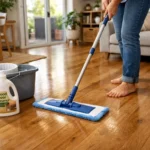
The timber flooring is conventional in the Australian homes and it adds warmth, personality and value to any given house. Regardless of whether you have beautiful hardwood in your living room, or you have engineered timber all over your house, it is important to know how to clean the wood floors properly to ensure that they remain beautiful and last long. We will take you through it all in this all inclusive guide on how to maintain your timber floors in the best conditions possible.
Understanding Your Wood Floors
The first thing before getting yourself into cleaning processes is to know which kind of timber flooring you have. Not all finishes need the same care method and following the wrong method may destroy your floors.
In most Australian households, the sealing of the floors is polyurethane sealed, wax-finished or unsealed timber. The most widespread and the most resistant are polyurethane-coated floors. They possess a protective coating thus making them relatively easy to maintain. Floors that are finished with wax are less modern and more traditional, though they are more difficult to work with. Open floors are not common in most modern houses, but occur in older houses.
Daily and Weekly Maintenance
Prevention is the best solution to the issue of how to clean wood floors. Frequent cleaning will not scratch the surface with dirt and grit and make your floors look their best with minimum effort.
Daily Care:
- Sweep or vacuum your floors daily, especially in high-traffic areas
- Use a soft-bristle broom or a vacuum with a hard floor attachment
- Place doormats at entrances to catch dirt before it reaches your timber
- Remove spills immediately with a dry or slightly damp cloth
Weekly Care:
- Give your floors a thorough vacuum or sweep
- Dry mop with a microfibre mop to pick up fine dust
- Check for any spots or marks that need attention
- Inspect the floor for any damage or wear
The Proper Way to Clean Wood Floors
Less is most certainly more as far as the question of cleaning wood floors with water is concerned. Moisture is the enemy of timber and may lead to warping, cupping or ruinous finish.
Materials You’ll Need
| Item | Purpose |
| Microfibre mop | Gentle cleaning without scratching |
| Soft-bristle broom | Daily sweeping |
| Vacuum with hard floor setting | Deep cleaning without damage |
| pH-neutral wood floor cleaner | Safe cleaning solution |
| Two buckets | One for cleaning solution, one for rinsing |
| Soft cloths | Spot cleaning and drying |
Step-by-Step Cleaning Process
- Eliminate Loose Debris The first step would be to sweep or vacuum up the entire floor. This will not allow you to scrape dirt about when you mop and this may give scratches. Take care of corners and go along the skirting boards where dust sticks.
- Cleaning Solution Choose a pH-neutral wood floor cleaner and mix it with warm water as instructed by the manufacturer. Do not put a strong chemical, ammonia or abrasive cleaners on timber floors. In case you are not sure about any product you should consult a professional cleaner in Melbourne or in your neighborhood to find out what they recommend.
- Damp Mop Wipe your mop till it is barely wet. The mop must not discharge water on the floor. Up and down work, across the grain of the wood. Apply smooth and even strokes of the paint and do not allow the water to be deposited in any given place.
- Dry Do not leave any water after mopping every part, wipe it with a dry microfibre cloth or mop so that all water is dry. This is essential in averting the water destruction.
Dealing with Common Floor Issues
Stubborn Stains and Marks
Different stains require different approaches when learning how to clean wood floors effectively:
- Scuff marks: Rub gently with a tennis ball or a pencil eraser
- Water marks: Buff with a soft cloth and a small amount of mineral spirits
- Sticky residues: Use a damp cloth with a tiny drop of dish soap, then dry immediately
- Ink or crayon: Try rubbing alcohol on a cotton swab, testing in an inconspicuous area first
Scratches and Wear
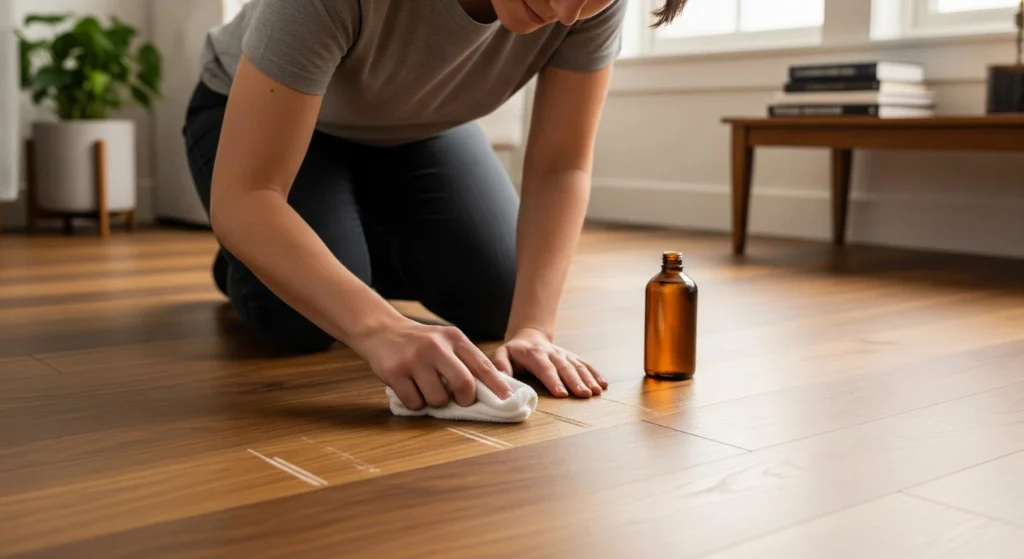
Wood floor refresher products can be used to remove minor scratches, while deeper scratches are best handled by professionals. If you are unsure how to address serious damage yourself, it’s a good idea to contact a professional cleaning service in melbourne or your local area for expert assistance.
What to Avoid When Cleaning Timber Floors
Knowing how to clean wood floors also means understanding what not to do:
- Never use excessive water. Timber and water don’t mix well. Always use a damp, not wet, mop.
- Avoid vinegar and acidic cleaners. Despite popular belief, vinegar can damage wood floor finishes over time.
- Don’t use steam mops. The heat and moisture can penetrate the finish and damage the timber.
- Skip the furniture polish. Products designed for furniture can make floors dangerously slippery.
- Never use abrasive scrubbers. Steel wool, harsh brushes, or scouring pads will scratch the finish.
Seasonal Deep Cleaning
Beyond regular maintenance, your timber floors benefit from a deeper clean every few months. This is when you might want to consider professional help or invest extra time in the process.
Deep Cleaning Schedule
| Season | Task | Frequency |
| Spring | Full floor wash and inspection | Once |
| Summer | Polish and protect from UV damage | Once |
| Autumn | Deep clean before winter | Once |
| Winter | Check for moisture issues | Ongoing |
Protecting Your Investment
Proper care extends beyond just cleaning. Here are additional tips to protect your timber floors:
- Use felt pads under furniture legs to prevent scratches
- Trim your pet’s nails regularly to avoid claw marks
- Keep indoor humidity levels between 30-50% to prevent timber expansion and contraction
- Use rugs in high-traffic areas, but ensure they have non-slip backing that won’t damage the floor
- Rearrange furniture periodically to ensure even ageing and sun exposure
- Keep curtains or blinds closed during peak sunlight hours to prevent fading
When to Call the Professionals
While regular maintenance is straightforward, some situations call for professional expertise. Consider hiring professionals when:
- Your floors need refinishing or resealing
- You’re dealing with extensive water damage
- There are deep scratches or gouges throughout the floor
- You’re unsure about the type of finish on your floors
- You need a thorough deep clean before a special event
- You’re moving house and want floors looking their absolute best
Special Considerations for Australian Homes
The environment of Australia has its own problems with timber floors. Wet climate of the coastal region, excessive heat in the outback and different weather conditions in different regions of the country all have different impacts on timber.
When you live in humid regions, moisture can damage wood flooring, causing issues like cupping or crowning. In drier climates, the timber may shrink, creating gaps between the boards. Understanding your environment is essential when learning how to clean laminate floors, because the same climate-based problems can affect both wood and laminate. This knowledge helps you adjust your cleaning and maintenance routine to suit your climate.
Eco-Friendly Cleaning Options
Many Australians are moving toward more environmentally friendly cleaning solutions. When considering how to clean wood floors naturally, look for:
- Plant-based, biodegradable floor cleaners
- Microfibre mops that require less water and cleaning solution
- Concentrated products that reduce plastic waste
- Australian-made products that support local businesses and reduce transport emissions
Final Thoughts
Learning how to clean wood floors properly isn’t complicated, but it does require consistency and the right approach. By following these guidelines, you’ll keep your timber floors looking beautiful for decades to come. Regular sweeping, careful damp mopping with appropriate products, and immediate attention to spills form the foundation of good floor care.
Remember, the key to maintaining gorgeous timber floors is prevention and gentle, regular care. With the right routine, your wood floors will remain a stunning feature of your home, adding value and character for years to come. Whether you’re handling the job yourself or occasionally calling in professional help, understanding these basics ensures your timber floors get the care they deserve.
FAQs
1. What’s the difference between daily and weekly wood floor maintenance?
Daily maintenance involves quick sweeping or vacuuming high-traffic areas, using doormats to prevent dirt entry, and immediately wiping up any spills with a dry or slightly damp cloth. Weekly care is more thorough, including a complete vacuum or sweep of all floors, dry mopping with microfibre to capture fine dust, checking for spots or marks, and inspecting for any damage or wear.
2. Can I use water to clean my wood floors?
Yes, but with caution. When cleaning wood floors, less water is definitely more since excess moisture can cause warping, cupping, or damage to the finish. Always use a damp mop that’s been wrung out thoroughly until it’s barely damp and never dripping. After mopping each section, immediately dry it with a microfibre cloth to remove any remaining moisture.
3. What should I avoid when cleaning timber floors?
Never use excessive water, vinegar or acidic cleaners, steam mops, furniture polish, or abrasive scrubbers on wood floors. Despite being a popular cleaning solution, vinegar can damage wood floor finishes over time. Steam mops generate heat and moisture that can penetrate the finish, and furniture polish can make floors dangerously slippery.
4. How do I remove stubborn stains from wood floors?
Different stains require specific approaches: use a tennis ball or pencil eraser for scuff marks, buff water marks with a soft cloth and mineral spirits, clean sticky residues with a damp cloth and a tiny drop of dish soap (drying immediately), and try rubbing alcohol on a cotton swab for ink or crayon marks. Always test solutions in an inconspicuous area first before applying to visible surfaces.
5. How often should I deep clean my wood floors?
Your timber floors benefit from a deeper clean every few months, with seasonal timing recommended. Perform a full floor wash and inspection in spring, polish and protect from UV damage in summer, deep clean before winter in autumn, and check for moisture issues throughout winter.
6. When should I call professional cleaners for my wood floors?
Consider hiring professionals when your floors need refinishing or resealing, you’re dealing with extensive water damage, there are deep scratches or gouges throughout, you’re unsure about your floor’s finish type, you need a thorough clean before a special event, or you’re moving house and want floors looking their absolute best. Professional expertise ensures proper treatment for significant issues.
7. What type of mop is best for cleaning wood floors?
A microfibre mop is the best choice for cleaning wood floors as it provides gentle cleaning without scratching the surface. Microfibre is effective at picking up dust and dirt while requiring less water and cleaning solution. Always wring it out thoroughly until it’s just barely damp before mopping your floors.