

No one enjoys cleaning ugly spots in their bathroom and it does not have to be a nightmare to keep your toilet clean. It doesn’t matter if you are fighting with hard water rings, rust spots, or being unable to get that mineral deposit off, knowing how to clean the toilet stains will change your bathroom and make the process of maintenance so much easier.
In our all-inclusive tutorial, we will show you easy homemade ways of cleaning even the most stubborn stains and bring your toilet back to its natural shine.
Understanding Different Types of Toilet Stains
It is a good idea to understand what you are dealing with before applying cleaning techniques, as different stains require different treatments for effective results—something commonly addressed by Office Cleaning Services in Melbourne. Hard water stains appear as brown or white rings around the waterline, caused by mineral buildup over time that forms crusty deposits difficult to remove with regular cleaning. Rust stains show up as reddish-brown spots, usually due to iron in tap water or rusted pipes, and often require specific treatment. Mineral stains create chalky white or gray deposits, especially in areas where water contains high levels of calcium and magnesium.
What You’ll Need
Gathering your supplies beforehand makes the cleaning process smoother. Here’s what to have on hand:
- White vinegar
- Baking soda
- Borax powder
- Pumice stone (specifically designed for toilets)
- Rubber gloves
- Toilet brush
- Spray bottle
- Old towels or rags
- Lemon juice (optional)
- Commercial toilet cleaner (as backup)
Step-by-Step Guide: How to Clean Toilet Stains with Natural Methods
Step 1: Prepare Your Toilet
Begin by switching off your running water to your toilet using the valve at the back of it. Flush the toilet in order to drain water as much as possible out of the bowl. This is a very important step as it enables cleaning agents to act directly on the stains and not get diluted.
Take a cup or a small container and drain all the remaining water in the bowl. The drier the surface the better you will clean.
Step 2: Apply Vinegar Treatment
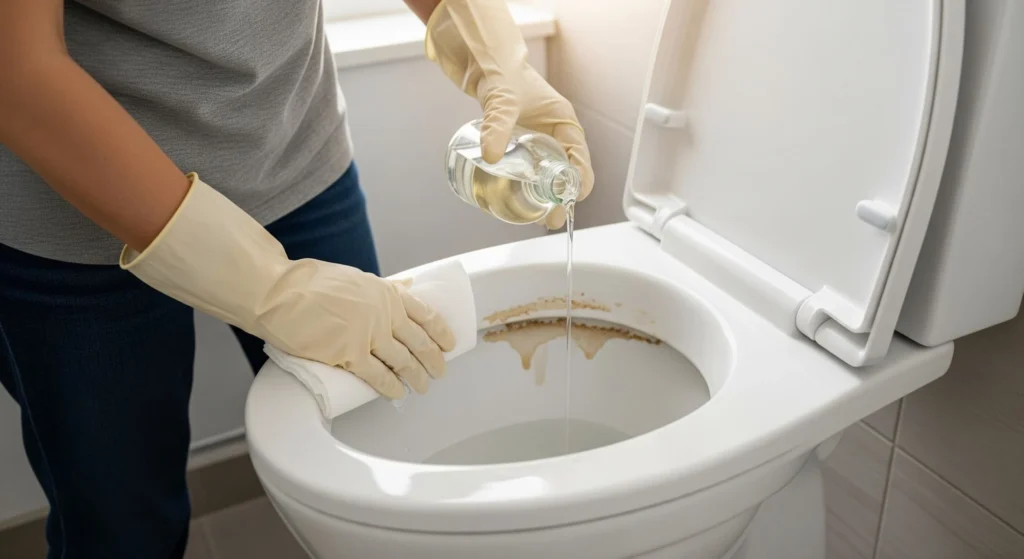
This is because of the white vinegar which is directly poured into the toilet bowl and is applied in small amounts to ensure that the stained parts are well covered. In the case of stains that are above the waterline, wet paper towels with vinegar and rub them against the stain.
Allow the vinegar to rest at least two hours or better still overnight. Vinegar has the ability to dissolve mineral deposits and hard water stains because of the acetic acid contained in it, and it becomes much easier to remove.
Step 3: Add Baking Soda Power
Once the vinegar has done its job, sprinkle a cup of baking soda in and around the bowl and on the stained places. They make a fizzing effect that aids in lifting tough dirt.
Clean your toilet bowl with your toilet brush and be careful to clean off stained areas. The soft acidic quality of baking soda assists in eliminating residue without scratching the porcelain surface.
Step 4: Target Stubborn Spots with Borax
To achieve supreme cleaning activity with especially stubborn stains, which cannot be removed by vinegar and baking soda, borax is added to the mixture. Apply borax powder to wet stains and leave it to dry in place after 20 minutes.
Wipe the place with your toilet brush in circular movements. Borax is very good in addressing mineral deposits and discoloration which other methods may not notice.
Step 5: Use a Pumice Stone Carefully
When stains are difficult to clear even when chemical treatment is administered, a pumice stone intended to be used in the toilets can do miracles. Before its use, the pumice stone must be moistened to avoid scratching.
Light pressure should be used to rub the stone over the stains. Deposits will be worn off slowly by the pumice without harming the porcelain. The stone and the toilet surface should be wet throughout this process.
Step 6: Final Rinse and Inspection
Switch water back on and flush the toilet a few times to rinse off all cleaning residue. Do a thorough check of the bowl in good light so as to see that you have removed all the stains.
In case there are some marks left, repeat the procedure of treatment on those parts. There are cases when really willful stains demand several applications in order to be totally removed.
Preventing Future Toilet Stains
It is easier to stop than to do some intensive cleaning. The following are tips that you can use to ensure your toilet does not have stains:
Cleaning Schedule: Have a regular schedule of cleaning your toilet at least once a week using vinegar or light cleaner. This eliminates accumulation into becoming recalcitrant stains.
Fast Weekly Interventions: Dip paper towels in vinegar and drop on trouble spots and leave them an hour. This keeps the deep cleans clean.
Water Softener Discussion: In case you are residing in the region where the water is hard then installing water softener can significantly decrease the mineral deposits in the entire house.
Flush Frequently: When you have a toilet which is not in constant use, flush it at once per week to avoid the formation of rings and stains by standing water.
Alternative Natural Cleaning Methods
Lemon Juice and Salt Method
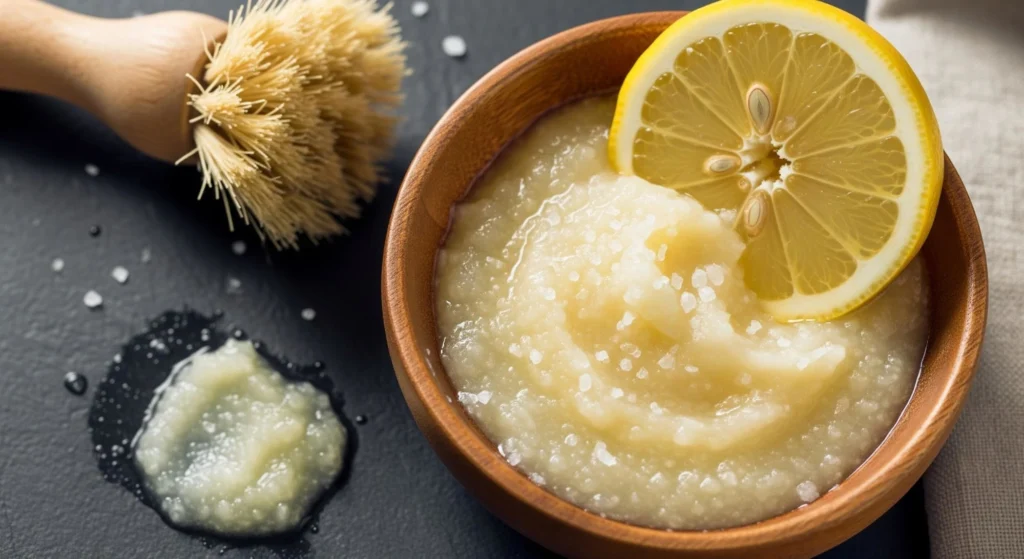
Add fresh lemon juice and salt together to form a paste. Place on stains with this mix and allow it to dry after 30 minutes, and scrub. Lemon juice contains citric acid which dissolves minerals.
Coca-Cola Treatment
And unbelievably enough, cola can dissolve toilet stains with the assistance of its phosphoric acid. Turn a can around the bowl, allow it to rest one hour, scrub and flush. Although not common, the method is sworn by a lot of people.
Hydrogen Peroxide Solution
Combine baking soda with hydrogen peroxide to create a paste with difficult stains. This mix is gentle in terms of bleaching and does not have harsh chemicals.
Common Mistakes to Avoid
Combining Cleaners: Never combine the various commercial cleaners, particularly those that have bleach and ammonia. This produces harmful gases that will lead to severe health complications.
Applying Abrasive Brushes: Steel wool and rough scrubbers have the ability to scratch the porcelain surfaces leaving small grooves on which future stains have an easy time being embedded.
Neglect of Manufacturer Instructions: There are certain special coatings to the toilet, which are to be cleaned in a certain way. Do not use new products without checking the manual of your toilet.
Hurrying the Process: Cleaning well should be done in a hurry. Allowing solutions to soak and do their job is usually more significant than a thorough scrubbing.
When to Call Professional Help
There are cases when you do your best, still, the stains are too difficult to be removed with homemade techniques. Toilets of extremely old age may contain stains that have cut into the porcelain during years or decades. In such situations, cleaning services conducted by a professional possess cleaning equipment and solutions, which are of industrial strength, which homeowners do not usually have access to.
Moreover, when you see that there are permanent stains with leaks, cracks, and constant problems with the plumbing, the matter may go beyond superficial cleaning. Preventing the recurrence of stains is by solving underlying plumbing issues, which occur as a result of cleaning.
Make Your Bathroom Shine Today
To know how to clean the stains on the toilet, one does not need costly products or chemical agents. Using ordinary household products such as vinegar, baking soda, and some muscle power, one will be able to clean up their toilet to a nice and clean state.
Should always remember that consistency is important. It can be avoided by having routine maintenance so that accumulation is not a big clean up project. Create a routine that suits your family and follow it to achieve long term success.
The strategies described in this guide will be effective in the majority of typical toilet stains, yet each case is an individual one. It is not necessary to be discouraged when the initial attempt does not lead to the perfection of results. Occasionally the deep rooted stains require repeated treatment before they are completely removed.
Need Professional Assistance?
Although DIY cleaning techniques would be perfect in handling most of the cases, there are some instances where professional skills count it all. When you have exhausted the above practices and yet have remained unsuccessful over stubborn stains, or just feel like having your entire bathroom being professionally done, Bearaux Cleaning will be glad to assist you.
Our skilled staff works with the help of professional-level equipment and environmentally friendly solutions to address even the most problematic conditions of cleaning. We do more than what anyone expects us to do; we clean dishes, sinks, and toilet stains, as well as clean the entire bathroom. You can have a spotless fresh-smelling bathroom without the inconvenience of hard work as we do it.
Call Bearaux Cleaning today and have your service arranged and see what professional care can do to your house.
FAQs
1. What causes toilet stains to form?
Toilet stains typically form from mineral deposits in hard water, which leave brownish or white rings around the waterline. Rust stains occur when iron is present in your water supply or from corroding pipes, while mineral deposits create chalky buildup from calcium and magnesium. Regular use and standing water contribute to these stains developing over time.
2. How long should I let vinegar sit on toilet stains?
For best results, let white vinegar sit on toilet stains for at least two hours, though overnight treatment is preferable. This extended contact time allows the acetic acid to effectively break down mineral deposits and hard water stains. For stains above the waterline, use vinegar-soaked paper towels pressed against the marks during this waiting period.
3. Is it safe to use a pumice stone on my toilet?
Yes, a pumice stone designed specifically for toilets is safe when used correctly. Always wet the stone thoroughly before use and keep both the stone and toilet surface wet throughout the process to prevent scratching. Use gentle pressure and circular motions to gradually wear away deposits without damaging the porcelain.
4. Can I mix different toilet cleaners together?
No, you should never mix different commercial cleaners, especially those containing bleach and ammonia, as this creates dangerous toxic fumes that can cause serious health problems. Stick to one cleaning method at a time, and if switching products, rinse the toilet thoroughly between applications to ensure no chemical interactions occur.
5. How often should I clean my toilet to prevent stains?
Clean your toilet at least once weekly with vinegar or a mild cleaner to prevent buildup from becoming stubborn stains. For additional maintenance, place vinegar-soaked paper towels on problem areas once a week for an hour between deep cleans. Regular flushing of infrequently used toilets also helps prevent standing water rings.
6. What should I do if DIY methods don’t remove the stains?
If stains persist after trying natural methods like vinegar, baking soda, and pumice stone, they may have etched into the porcelain over many years. In such cases, consider professional cleaning services that have access to industrial-strength equipment and solutions. Also check for underlying plumbing issues like leaks or corroding pipes that might be causing recurring stains.