
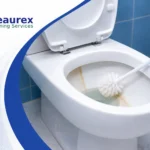
Toilet stains rarely disappear with regular scrubbing. If brown rings, hard water deposits, rust marks, or mineral buildup keep returning no matter how often you clean, the problem is usually deeper than surface dirt.
The most effective way to clean stains from a toilet is to identify the stain type first. Hard water stains require acidic cleaners that break down calcium and magnesium deposits. Rust stains respond better to citric acid-based products. Organic stains often need disinfecting cleaners combined with mechanical scrubbing.
Many homeowners make the mistake of using bleach for every stain. While bleach can disinfect a toilet bowl, cleaning experts consistently point out that it does not effectively dissolve mineral deposits caused by hard water. That is why stains often remain visible even after repeated cleaning.
Why Do Toilet Bowl Stains Keep Coming Back?
Understanding the source of the stain helps you choose the right cleaner for toilet stains and avoid wasting time on products that cannot solve the problem.
Common causes include:
- Hard water minerals such as calcium and magnesium
- Iron-rich water that creates rust-colored marks
- Limescale buildup around the waterline
- Bacterial growth in rarely used toilets
- Infrequent deep cleaning
- Aging toilet glaze that traps deposits more easily
According to the Australian Bureau of Meteorology and various local water authorities, many Australian regions experience moderate to high mineral content in their water supply, which contributes to persistent bathroom staining problems.
What Type of Toilet Stain Are You Dealing With?
Hard Water Stains
Hard water stains usually appear as:
- White chalky deposits
- Brown rings around the waterline
- Yellow mineral buildup
- Rough texture on porcelain surfaces
These stains develop when calcium and magnesium deposits accumulate over time.
Rust Stains
Rust stains typically appear as:
- Orange streaks
- Brown-red discoloration
- Dark rings near the water outlet
These are commonly caused by iron in the water supply.
Organic Toilet Bowl Stains
Organic stains can develop from:
- Bacteria
- Mold
- Standing water
- Lack of ventilation
They often appear dark brown, black, or green.
How to Clean Stains From a Toilet Using Vinegar and Baking Soda
For light to moderate mineral buildup, this remains one of the safest methods.
Step 1: Lower the Water Level
Turn off the water supply and flush the toilet.
Use a toilet brush to push excess water down the drain.
Step 2: Apply White Vinegar
Pour 2 to 3 cups of white vinegar directly into the toilet bowl.
Make sure the vinegar covers stained areas.
Allow it to sit for at least 30 minutes.
Step 3: Add Baking Soda
Sprinkle one cup of baking soda into the bowl.
The reaction helps loosen mineral deposits and surface buildup.
Step 4: Scrub Thoroughly
Use a toilet brush to scrub:
- Under the rim
- Around the waterline
- Along stained surfaces
Step 5: Flush and Inspect
Repeat if necessary for older stains.
Cleaning specialists frequently recommend this method because it removes many common toilet bowl stains without damaging porcelain surfaces.
How To Remove Hard Water Stains From Toilet Bowl Effectively
When vinegar alone is not enough, stronger acidic cleaners may be necessary.
Use Citric Acid-Based Cleaners
Citric acid is highly effective at breaking down:
- Calcium deposits
- Limescale
- Hard water rings
Jacqueline Stein, professional cleaner and owner of Home Reimagined in Texas, notes that citric acid is often more effective than bleach when treating mineral buildup inside toilet bowls.
Let the Cleaner Sit
One of the biggest mistakes people make is scrubbing too soon.
Carolyn Forté, Executive Director of the Good Housekeeping Institute Home Care and Cleaning Lab, recommends allowing toilet bowl cleaners sufficient dwell time before scrubbing. This gives active ingredients time to dissolve stubborn deposits rather than simply polishing the surface.
Use a Non-Scratch Toilet Brush
Aggressive metal tools can damage porcelain coatings.
Choose:
- Nylon toilet brushes
- Soft scrubbing pads
- Toilet-safe pumice stones designed for porcelain
How to Remove Stubborn Stains From Toilet Bowl That Won’t Budge
Some stains have been accumulating for years and require more intensive treatment.
Method 1: Pumice Stone Cleaning
A wet pumice stone can remove:
- Thick mineral scale
- Hard water rings
- Long-term calcium buildup
Important:
Always keep both the pumice stone and porcelain surface wet to reduce the risk of scratching.
Many professional cleaners and homeowners report successful removal of stubborn toilet bowl stains using toilet-safe pumice stones, particularly when mineral scaling has hardened over time.
Method 2: Commercial Lime and Rust Removers
Products formulated specifically for:
- Calcium deposits
- Lime buildup
- Rust stains
often perform better than general bathroom cleaners.
Look for products that specifically mention:
- Hard water stain removal
- Lime removal
- Mineral deposit removal
How to Clean WC Stains Safely Without Mixing Chemicals
One of the most important safety rules in bathroom cleaning is simple.
Never mix:
- Bleach and vinegar
- Bleach and ammonia
- Multiple chemical cleaners
The US Centers for Disease Control and Prevention warns that mixing cleaning chemicals can create hazardous fumes that may cause serious respiratory irritation.
Instead:
- Rinse the bowl completely between products.
- Ventilate the bathroom.
- Wear gloves.
- Follow manufacturer instructions.
How Often Should You Clean Toilet Stains?
Preventing stains is significantly easier than removing them.
A practical schedule looks like this:
Weekly
- Brush the toilet bowl
- Clean under the rim
- Remove early mineral deposits
Monthly
- Deep clean the entire bowl
- Check for hard water buildup
- Clean hidden areas around the trapway
Every 3 to 6 Months
- Inspect for limescale accumulation
- Use a mineral-removal treatment if necessary
Many recurring toilet bowl stains develop because mineral deposits are allowed to harden over months before being addressed.
Can Bleach Remove Toilet Bowl Stains?
Yes and no.
Bleach can:
- Kill bacteria
- Remove some organic stains
- Brighten porcelain surfaces
However, bleach is generally less effective against:
- Hard water deposits
- Limescale
- Calcium buildup
- Rust stains
This explains why many homeowners see a cleaner-looking bowl but still notice visible staining after using bleach alone.
What Is the Best Cleaner for Toilet Stains?
The best cleaner depends on the stain type.
| Stain Type | Recommended Cleaner |
| Hard Water Stains | Citric acid cleaner |
| Limescale | Vinegar or descaling cleaner |
| Rust Stains | Lime and rust remover |
| Organic Stains | Disinfecting toilet cleaner |
| Heavy Mineral Scale | Toilet-safe pumice stone and acidic cleaner |
Matching the cleaner to the stain is usually more important than buying the strongest product available.
Frequently Asked Questions
How do I get rid of toilet stains permanently?
Permanent removal depends on controlling the source. If hard water causes the staining, regular descaling and routine maintenance are necessary to stop deposits from returning.
Why is my toilet bowl brown even after cleaning?
Brown staining is commonly caused by mineral deposits, iron in the water supply, or limescale buildup that standard cleaners cannot fully dissolve.
Can vinegar damage a toilet bowl?
White vinegar is generally considered safe for porcelain toilet bowls when used correctly and rinsed thoroughly afterward.
What causes black stains in a toilet bowl?
Black stains are often linked to mold, mildew, manganese deposits, or bacterial growth in standing water.
How do I clean commode stains without harsh chemicals?
White vinegar, baking soda, citric acid, and regular brushing provide effective low-toxicity cleaning options for many toilet stains.
Keeping a toilet stain-free is less about scrubbing harder and more about understanding what created the stain in the first place. Mineral deposits, rust, bacteria, and hard water all respond to different treatments. Once the correct cleaner is matched to the stain, removal becomes much faster and safer.
For households dealing with recurring bathroom buildup, regular deep cleaning often prevents the heavy staining that eventually requires aggressive chemicals. Many homeowners across Melbourne suburbs rely on professional maintenance services because consistent cleaning usually costs less time and effort than restoring neglected fixtures. Whether you’re booking professional support such as House Cleaning In Preston or arranging House Cleaning In Reservoir, the goal stays the same: stop stains before they become permanent.
Our Other Blogs are:
Is Beaurex Cleaning the Best Choice for Office Cleaning?
Need Beaurex Cleaning for Affordable Cleaning Services Now?
How Often Should You Clean Your House Windows?
Need Beaurex Cleaning for Affordable Cleaning Services Now?